Occupational Health vs. Visa Medical in the UAE: What Employers and Applicants Must Know

In the UAE, maintaining a healthy workforce is not just a best practice—it is a legal requirement. For both employers and expatriates, navigating healthcare requirements can be confusing, particularly when terms like "visa medical" and "occupational health screening" (OHC) are used interchangeably.
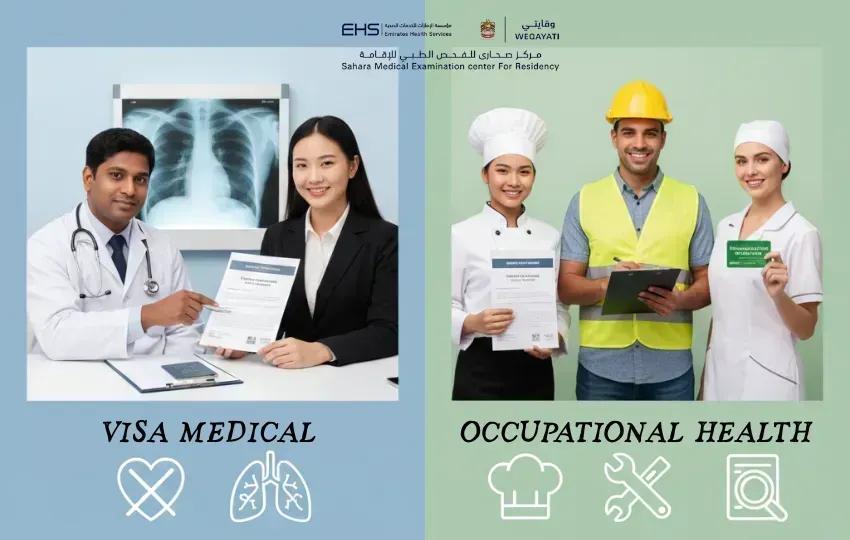
While both involve medical assessments, they serve completely different purposes:
Visa Medical: Ensures an expatriate can legally live in the country.
Occupational Health Screening (OHC): Confirms that an employee can perform their specific job safely.
Understanding the differences is essential for avoiding fines, ensuring compliance, and protecting employee health. This comprehensive guide explains both processes, highlights the differences, and provides practical tips for employers and expatriates in the UAE.
Visa Medical Fitness Test: The Gateway to Residency in the UAE
A Visa Medical Fitness Test is a mandatory health screening governed by the UAE Ministry of Health and Prevention (MoHAP) and local health authorities such as the Dubai Health Authority (DHA) or Department of Health (DoH) Abu Dhabi. Its primary purpose is to protect public health by identifying communicable diseases before granting residency.
Who Needs a Visa Medical?
All expatriates aged 18 and above applying for a new residency visa
Individuals renewing an existing visa
Family members accompanying primary visa holders
Visa medical tests are mandatory and must be completed before the Emirates ID registration and visa stamping process. Without a valid medical fitness certificate, visa approval is not possible.
Core Screenings Included in Visa Medical
Blood Test: Detects communicable diseases such as HIV/AIDS.
Chest X-Ray: Screens for Pulmonary Tuberculosis (TB), which is highly monitored in public health programs.
Additional Tests for Specific Categories
Hepatitis B: Tested for certain expatriates depending on visa type
Syphilis: Required for some residency categories
Pregnancy Test: Mandatory for female domestic workers
These additional screenings are implemented to ensure the safety of employers, co-workers, and the general public.
Consequences of Being Medically Unfit
If an applicant is found “medically unfit,” the implications can be serious:
Visa Rejection: The applicant cannot proceed with residency processing
Deportation: In severe cases such as active TB or HIV positivity
Treatment Requirement: Individuals may need to undergo treatment before reapplying
By understanding the process and requirements, expatriates can avoid delays or unnecessary complications.
Occupational Health Screening (OHC): Ensuring Fitness for the Job
Unlike the Visa Medical, Occupational Health Screening focuses on whether an employee is physically and mentally capable of performing specific job duties without risking themselves or others. It is role-specific and often mandated for high-risk industries.
Who Needs Occupational Health Screening?
OHC is mandatory for employees in sectors where workplace safety is critical, including:
Food Handlers: Cooks, servers, and food processing factory workers
Beauty & Grooming: Barbers, spa therapists, and salon staff
Healthcare & Childcare: Nurses, nursery teachers, nannies, and medical staff
Industrial Workers: Those exposed to chemicals, noise, machinery, or physically demanding work environments
Employers are responsible for ensuring all employees in these sectors have a valid occupational health card issued after passing the screening.
Specialized Tests in Occupational Health Screening
Occupational Health Screening is tailored to the job role, often including:
Drivers: Vision, hearing, and reaction time tests to ensure road safety
Food Handlers: Stool and urine tests to detect Salmonella, E. coli, and parasites
Industrial Workers:
Audiometry to assess hearing for noise-exposed workers
Spirometry for lung function tests in chemical-exposed roles
Vaccinations: Certain jobs require Hepatitis B, Typhoid, or other vaccinations
These screenings prevent occupational illnesses and ensure employees are not exposed to risks that could exacerbate pre-existing conditions.
Benefits of Occupational Health Screening
Workplace Safety: Identifies health risks before accidents occur
Employee Well-being: Ensures employees can perform tasks safely
Regulatory Compliance: Avoids fines and penalties from government inspections
Reduced Absenteeism: Early detection of health concerns reduces long-term absence
3. Key Differences Between Visa Medical and Occupational Health Screening
While both screenings involve health assessments, their objectives, scope, and validity differ significantly:
Feature | Visa Medical | Occupational Health Screening (OHC) |
Primary Goal | Public health & disease prevention | Workplace safety & job performance |
Scope | All expatriates | Job-specific (high-risk sectors) |
Validity | 2–3 years, linked to visa | 1 year, requires annual renewal |
Regulatory Body | MoHAP / DHA / DoH | Dubai Municipality/DoH/SEHA |
Result Format | Fitness certificate for immigration | Occupational Health Card (OHC) |
Industry-Specific | No | Yes, required for specific sectors |
Common Misconceptions
Visa medical is not a substitute for occupational health screening
OHC alone does not fulfill visa requirements
Delaying either test can lead to processing delays or penalties
Why Employers Must Prioritize Both
For businesses operating in the UAE, managing these medical requirements is critical for operational continuity and regulatory compliance.
Avoid Legal Penalties
Failing to maintain valid OHCs for staff in Dubai salons, restaurants, or industrial workplaces can lead to fines of AED 1,000–5,000 per employee
Government authorities, including Dubai Municipality and DoH, conduct regular inspections
Reduce Workplace Liability
Identifying pre-existing conditions such as respiratory issues, allergies, or back problems protects employees
Mitigates worker compensation claims and reduces absenteeism
Streamline Onboarding
Visa medical must be completed after entry but before visa stamping
OHC should be applied immediately after visa issuance for employees in high-risk roles
Delays can affect Emirates ID registration, payroll setup, and project timelines
Enhance Workforce Productivity
Healthy employees are more productive and less likely to take sick leave
Reduces operational disruptions caused by unfit employees
Tips for a Smooth Screening Process
Proper preparation ensures a hassle-free experience for both employers and employees.
Choose Government-Approved Centers
Only use accredited centers such as EHS Screening or DHA-approved clinics
Ensures results are digitally linked to UAE immigration systems
Maintain Proper Documentation
Passport and Entry Permit
Passport-sized photos
Previous medical records, if any
Pre-Screening Services
Corporate partners can provide pre-screening to detect minor health issues before official tests
Reduces the risk of a “medically unfit” result
Prepare Employees
Encourage hydration and rest before tests to avoid inaccurate blood results
Advise employees to disclose pre-existing conditions
Follow-Up and Record-Keeping
Maintain digital records of both visa medical and OHC certificates
Track expiry dates to schedule timely renewals
How EHSScreening Simplifies Compliance
Managing medical requirements for large teams can be time-consuming and complex. EHSScreening offers end-to-end services for employers and expatriates in the UAE:
Visa Medical Services
Booking appointments with government-approved centers
Managing all documentation for submission
Fast-tracking results for timely visa stamping
Occupational Health Screening
Pre-employment medical checks
Annual OHC renewal management
Specialized role-based health screening (food, industrial, healthcare, beauty sectors)
Benefits of Using EHSScreening
Ensures full regulatory compliance
Reduces administrative workload for HR teams
Prevents fines and delays
Provides expert guidance on UAE health requirements
Conclusion
While Visa Medical and Occupational Health Screening both involve health checks, their objectives, requirements, and outcomes are completely different.
Visa Medical: Ensures you can legally reside in the UAE
Occupational Health Screening: Ensures you can safely perform your job
Employers and expatriates can avoid fines, delays, and legal issues by understanding and completing both screenings on time. Partnering with Sahara Visa Medical Centre (EHS Screening) ensures professional, compliant, and hassle-free medical assessments in the UAE.